
Sibling bonds are some of the most important relationships we form in life. They can shape how we communicate, handle conflicts, and build trust. But like any relationship, they require effort to grow and thrive. Whether your kids are constantly at odds or just need a little nudge to connect, there are simple ways to encourage stronger ties. In this post, you’ll discover practical tips to help siblings create lasting bonds rooted in love, understanding, and mutual respect. Because when siblings support each other, the whole family benefits.
This page contains affiliate links, which means I may earn a small commission at no extra cost to you. As an Amazon Associate, I earn from qualifying purchases.
Understanding the Importance of Sibling Bonds
Sibling relationships often hold a unique place in our lives. These sibiling bonds are built early, shaped by shared experiences, and can last a lifetime. Parents play a large role in how their children see one another and will bond. We deeply encourage our kids to be friends, always learning not to be revials, to work through conflicts, and one day be there for each other as adults. Building strong bonds between siblings really flows into everyday living. The ideal, like a goal post, is to prepare them to have a lifelong support system that builds each other up, face challenges together with resilience, and with the social skills they need to work things out between them. Let’s explore why these relationships matter so much.
Sibiling Support and Companionship
Strong sibling bonds can be like a built-in cheerleader, ready to step in during tough times. They can also be the voice that steps in when reason needs to be heard, founded on each other’s values, sharpening each other’s strengths, and encouraging the right things. Of course this takes years of bonding and trust built, with shared vision; which doesn’t always happen, unfortunately. However, we can still strive to be anchored to family life, offering support throughout life’s ups and downs.
The beauty of this connection is its familiarity. Who else knows your quirks, strengths, and challenges better than someone who grew up right alongside you? That shared understanding creates a level of trust and comfort that’s hard to replicate. For children, this translates to a reliable shoulder to lean on when the world feels overwhelming. And as they grow older, many siblings become each other’s confidants, sounding boards, and biggest advocates.
Studies show that having a sibling relationship rooted in support and kindness can even help reduce feelings of loneliness and anxiety. Imagine a world where your child knows they always have someone in their corner. That’s what promoting a strong sibling connection can provide.
Conflict Resolution Skills
Let’s be honest: sibling arguments are inevitable. But every squabble, disagreement, or heated debate is an opportunity in disguise. It’s through these conflicts that kids learn how to handle disagreements, listen to others’ perspectives, and work towards peace.
Think of it like training wheels for navigating future relationships. Siblings, by nature, are often forced to share spaces, toys, and attention. This constant negotiation teaches them the art of give-and-take. They learn that while they can’t always get their way, there’s value in sharing.
For parents, it might be tempting to step in every time an argument flares up. But allowing children to work through their differences (with some guidance, if necessary) gives them the tools to handle real-world conflicts. Children watch how their parents work through conflict with one another as well. It’s something we have to decide as parents before disagreements occur, to produce the fruit we want our children to produce themselves. This is hard to do, but it’s worth protecting our bonds with one another. Showing respect during family discussions can remedy how problems can be resolved in the future, and beyond family meetings.
Promoting Positive Interactions Among Siblings
Building strong bonds between siblings starts with encouraging positive interactions. It’s not about forcing relationships but creating an environment where connection thrives naturally. Help your kids build trust, learn from each other, and create the kind of sibling bond that can endure for years. Whether it’s through shared adventures or teamwork, there are plenty of ways to foster these connections while making it fun for everyone.
Bonding Over Shared Experiences
Shared experiences create memories that siblings will carry with them for a lifetime. They need lots of them to build that sibling bond strong. These moments remind them that they are part of something bigger—a family unit that works and plays together. The key is to choose activities that promote teamwork or mutual enjoyment, rather than competition.
Here are some great ideas to get started:
- Family Game Nights: Choose cooperative board games where everyone works together towards a common goal.
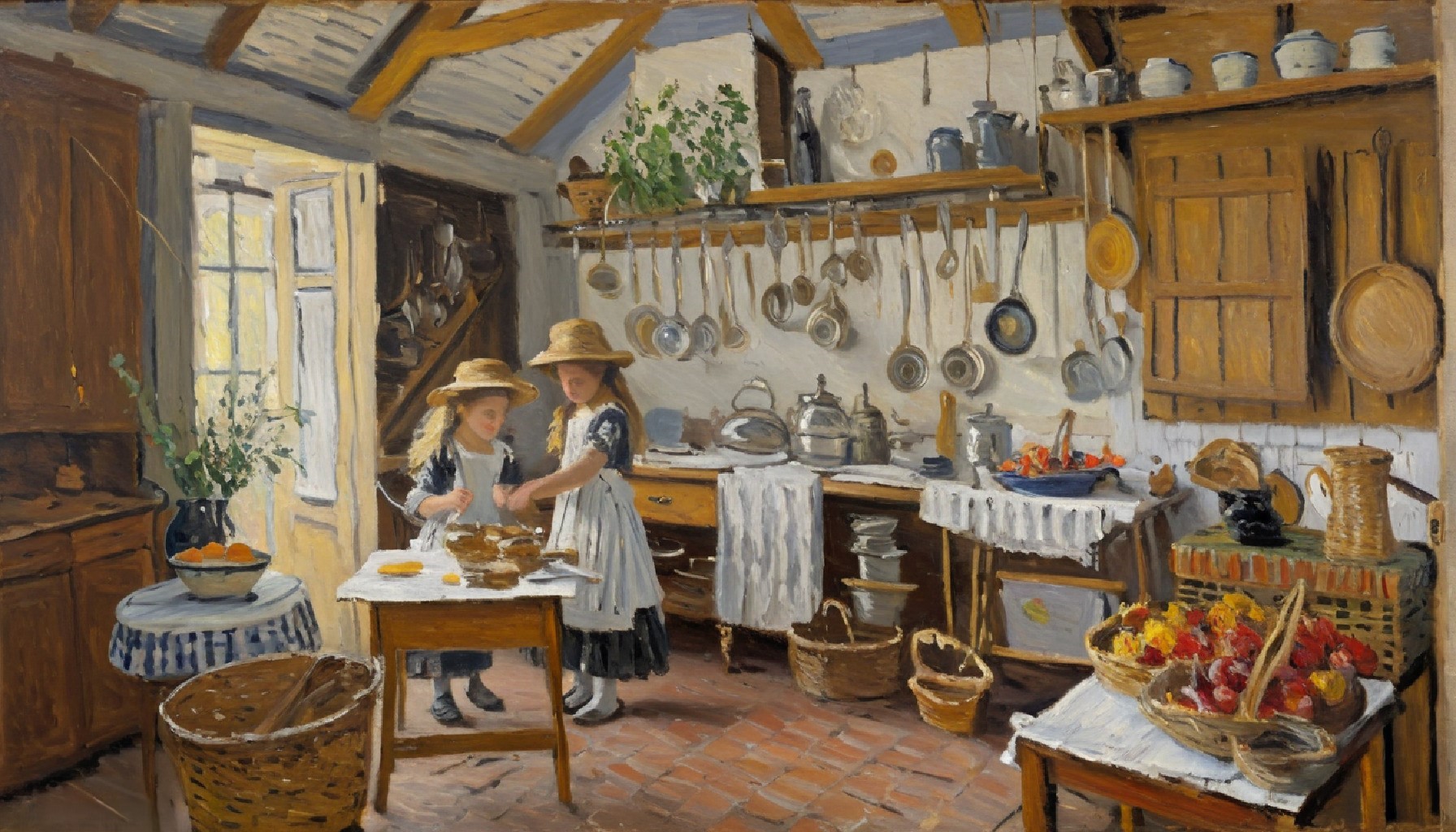
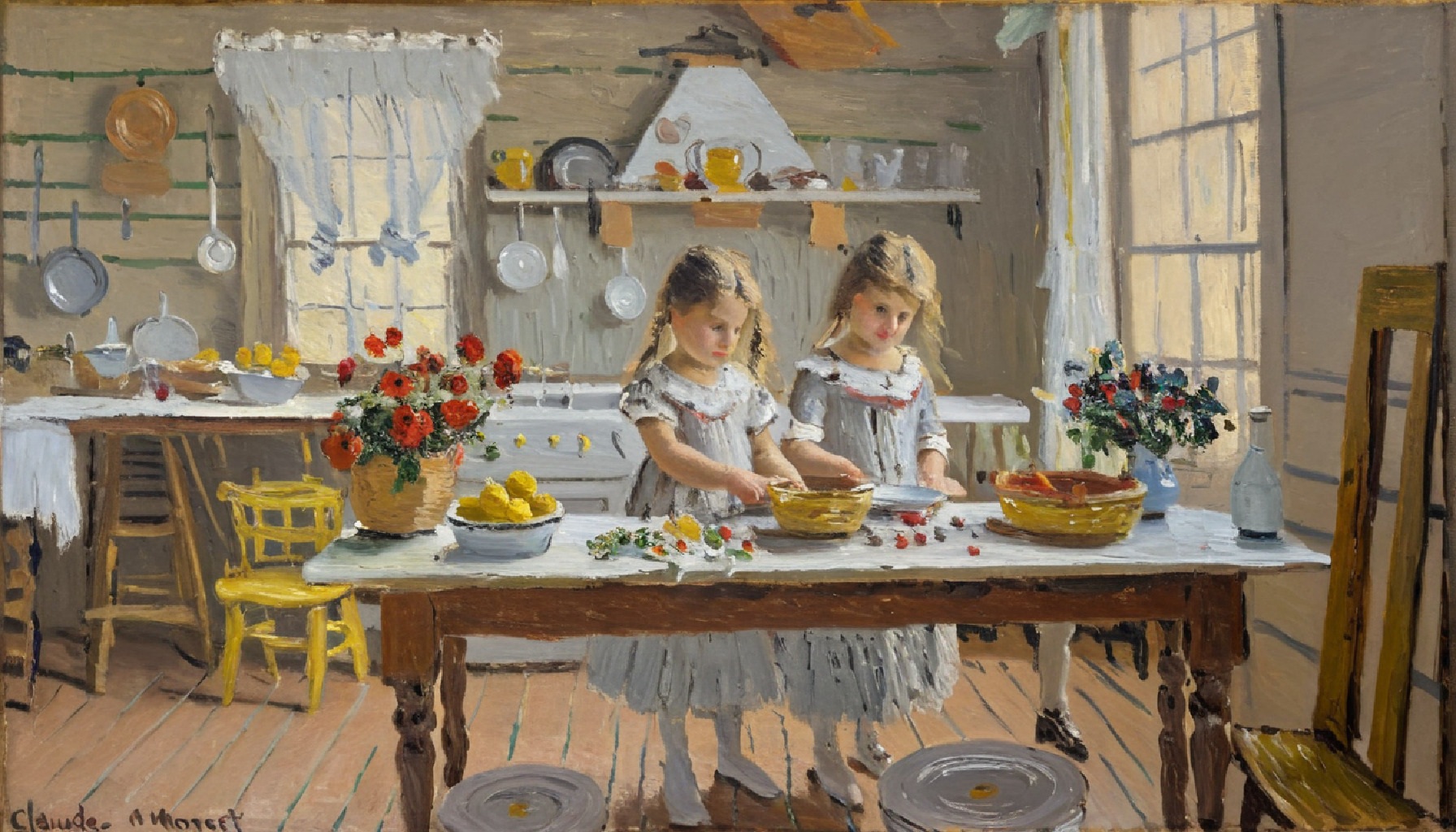
- Cooking or Baking Together: Turn the kitchen into a bonding space. Assign roles to each sibling—whether it’s measuring, mixing, or decorating. Working toward a tasty treat is a fun way to build teamwork.
- Outdoor Adventures: Take a hike, build a fort in the yard, or fly kites on a windy day. Spending time in nature brings siblings closer while giving them the chance to explore together.
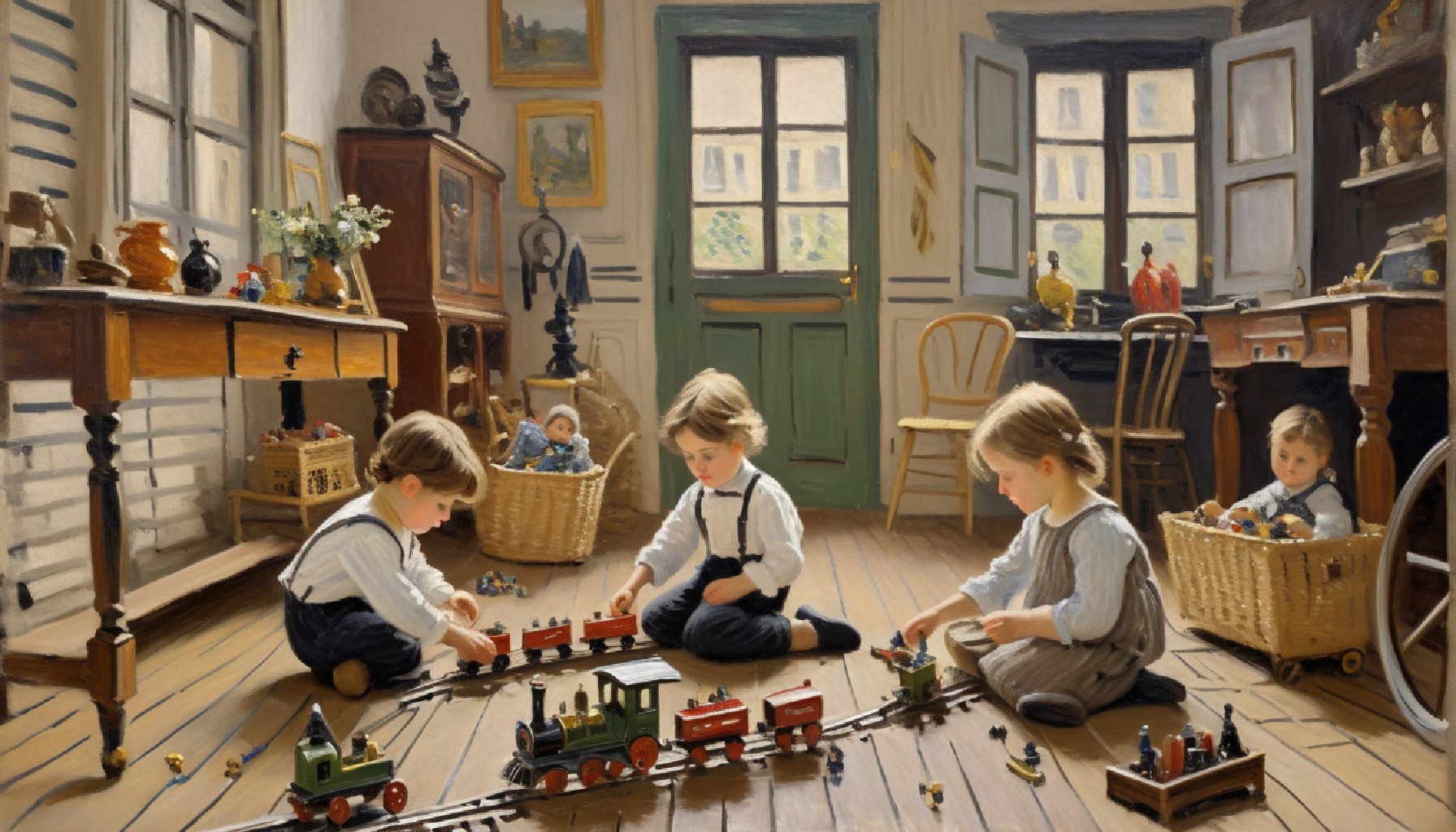
- Creative Projects: Encourage them to build a toy train track route, play restaurant, build a Lego set (or paired sets), or craft something unique from cardboard together. They will not only have an activity they both enjoy and can contribute to, but they will be building memories with each other.
When siblings share activities like these, the focus shifts from what divides them to what unites them. These moments become a foundation for inside jokes, shared stories, and even traditions they’ll continue as adults.
Encouraging Teamwork and Collaboration With Siblings
Teaching siblings to work together is like giving them the tools to build a lifelong partnership. When kids collaborate, they learn to rely on each other, communicate better, and celebrate each other’s strengths. It’s teamwork at its best—and it doesn’t have to feel like work.
Here are some simple ways to promote collaboration at home:
- Set Joint Goals
Encourage them to save up for something together, like a shared toy or game. This builds a sense of shared purpose and mutual investment. - Household Chores
Assign chores that require working as a team. For example, one sibling can vacuum while the other tidies up. Working together makes even mundane tasks feel less burdensome. - DIY Challenges
Have them build something together, like a birdhouse or a blanket fort. Not only will they learn to problem-solve, but they’ll also take pride in what they accomplish as a team. - Run an “Obstacle Course”
Make an indoor or outdoor obstacle course where they can team up to complete challenges. Pair up their strengths to show how working together achieves better results. - Volunteer Together
Find age-appropriate ways for siblings to give back as a team. Whether it’s making cards for neighbors or helping at a community event, contributing to a shared cause strengthens their bond.
By encouraging siblings to collaborate instead of compete, you’re teaching them how to achieve mutual wins. These small victories lay the groundwork for problem-solving and partnership down the road. Think about it: if they can navigate teamwork at home, imagine what they can accomplish together in the real world.

Developing Communication Skills Between Siblings
Strong sibling relationships begin with clear and open communication. Teaching kids how to express themselves in healthy ways—and how to truly listen—lays the groundwork for lasting connections. When communication flows easily, misunderstandings shrink, conflicts are resolved faster, and trust builds naturally. Here’s how parents can help siblings hone these essential skills.
Facilitating Open Discussions
An open-door policy for thoughts and feelings can transform sibling dynamics. When kids feel safe sharing their thoughts, whether they’re happy, frustrated, or just confused, bonds grow stronger. It’s about creating a home where no topic feels off-limits and every voice matters.
Parents can start by modeling positive communication at home. If kids see adults talking respectfully even during disagreements, they’re more likely to follow suit. For example, instead of brushing off a minor sibling spat, sit with them and guide the conversation.
Healthy Debate
Something we are aiming for as parents is to build resilience in our children so they can listen to push back. We desire our children not only to be able to speak up and learn for themselves, but how to debate respectfully as well. This is due to the classical model of homeschooling we are leaning into (with a dose of Charlotte Mason). The goal is not about winning the argument, though we hope they research their points well and speak them effectively. The goal is for them to be able to communicate well and with confidence while they converse over an opposing view. This can be fun if kept lighthearted.
We not only want our kids to feel safe to discuss anything, but we want them to understand what they are discussing thoroughly and listen to others. We believe this sharpens the person to not only be brave and respectful when sharing their thoughts, but to be knowledgeable and possibly take correction. This humble attitude of listening and discussion must be modelled healthily first at home.
Active Listening Techniques
Talking is only half the equation—listening is equally important. Kids often get so caught up in sharing their side of the story that they forget to pause and really hear what the other person is saying. That’s where active listening comes in. It’s a skill that helps siblings show each other respect, even in the middle of a disagreement. One fun way to make this habit stick? Turn it into a game. Have siblings use a “talking stick” (any object will do) where only the person holding it gets to speak. This turns listening into an activity while teaching patience.
When we teach our kids to actively listen, we get our kids to speak the problem without interruption. usually with little children issues are self-evident, but it’s important to ask our children if the offense is true. When an explanation is given, or an excuse, parents can lead their children to what is okay and not okay. We want our kids to care for each other, and how the offence hurt, but also how they can fix the problem.
Wrestling Right
If our boys are wrestling, which they love to do, sometimes someone makes a bad move which the other player is left frustrated. Instead of just ending their game, I find helping them clearly state what is wrong without over babying the hurt, can help them feel the respect and resolve they need from each other, quickly, to return to their really fun game.
How we do it, first we revisit what are off-limit wrestling move rules. I teach them how to communicate with each other with simple phrases like, “Hey, no hitting my face, that’s not fun”, with a quick agreement like “Okay brother, sorry, I won’t hit your face”, and watching to see they are following through by playing fairly. This has helped coach them to listen and talk while in action! of course, if they do not manage to resolve the fighting, a time-out and conversation would be in order. Sometimes issues can be resolved quickly with communication, before it ends in a game gone wrong.
I am mom of boys, tell me moms of girls, what advice you would add to this conversation? Share them in the comments below!
When siblings learn to hear and understand each other, conflicts lose their edge. They start to approach each issue as a team, looking for solutions instead of victories. Over time, these habits create a foundation for stronger communication—not just with each other, but in relationships outside the family too.
Addressing Rivalries and Conflicts Constructively
Sibling rivalries don’t have to be part of your family life. When disagreements, jealousy, and competition get out of hand, children lose sight of building their strong sibling bond. When they learn to handle their squabbles well, they can become opportunities to strengthen their bond. Parents play an essential role in shaping how kids view and manage conflict, helping them turn clashes into chances to understand and appreciate each other.
Recognizing Individual Strengths
Every sibling brings something special to the table. One might be a math whiz, while another shines in art or storytelling. Recognizing these unique qualities can help siblings see each other as individuals with gifts rather than rivals. When children feel valued, they’re less likely to compete for attention or approval.
Start by highlighting each child’s strengths in everyday conversations. For example:
- “Your sister has such a great eye for detail. Did you see how carefully she drew that picture?”
- “Wow, your brother is so funny! He just made us all laugh! What a nice surprise, hey?”
- “I love how you always come up with creative solutions. Your ideas are so helpful!”
This approach helps siblings learn to admire each other’s abilities instead of comparing themselves. It also sets the tone for appreciation rather than jealousy.
You can also encourage them to celebrate each other’s wins. If one child gets a good grade or wins a sports award, guide their siblings to acknowledge it. Phrases like, “That’s awesome—you worked really hard for this!” foster a sense of teamwork instead of competition.
It’s important to keep things balanced, too. Avoid consistently favoring or focusing on one child’s strengths. If one sibling is constantly praised for doing well in school, the other might feel underappreciated. Find ways to point out what makes each child unique so no one feels left behind.
Setting Fair Boundaries and Rules
Clear boundaries and rules are essential in any sibling relationship. Without them, conflicts can spiral into full-blown arguments. Rules create structure, making it easier for kids to navigate shared spaces and responsibilities. Fair boundaries, on the other hand, help prevent resentment and ensure everyone feels respected.
Here’s how to make boundaries and rules work effectively at home:
- Be consistent.
If one sibling is expected to clean up after themselves, the same should apply to the others. Kids quickly notice inconsistencies and perceived unfairness can lead to frustration. - Encourage Communication
When children have a problem with a sibling, its good to help them through their disagreements. As they get older it’s even more important to help them learn to talk it out themselves. This discourages whining and gossip and helps the two learn to speak to each other on their own. Remember, they are learning these skills to one day be respectful adults who solve problems independently. - Set personal space boundaries.
Teach siblings to respect each other’s belongings and privacy. Rules like knocking before entering a room or asking before borrowing something can reduce unnecessary arguments. - Build in consequences—and stick to them.
If a rule is broken, follow through with clear and fair consequences. This shows that boundaries are not optional, which keeps everyone accountable. - Adjust as they grow.
A rule that works for a five-year-old might not apply to a ten-year-old. Revisit boundaries as your kids get older to make sure they’re still appropriate and effective.
Teaching fairness doesn’t just prevent unnecessary flare-ups—it builds respect. Siblings come to see each other as equals with individual needs, which is an essential foundation for any relationship.
Long-term Benefits of Strong Sibling Bonds
Sibling relationships are among the longest-lasting connections we have in life. Unlike friends, colleagues, or even romantic partners, siblings are often there from the beginning and can remain part of our story well into old age. The quality of this bond can significantly influence our emotional well-being, sense of belonging, and even the strength of family ties. When nurtured, these relationships offer benefits that ripple through every stage of life.
Support Systems in Adulthood
I remind my children often that one day they will only have each other because mum and dad will one day be too old to be there. Of course that’s a long way off, and we plan to be as involved as our children need us to be when they leave home. The ideal goal, long term, is to help them grow not only in respect and care for one another but to build a long-lasting bond and friendship that carries into their ageing years. This is a gift we continually cultivate in our children, much like other values, so it will be without question a normal part of their adult lives.
Life is unpredictable, and though we might encourage the ideals of sibling bonding to them, it does take our children to put them into practice. Discussions about how life might look if they say move far distances might change their strong bond they made as young people. Strains on relationships can happen for many reasons, and it’s important they make those choices with their eyes open. Not from guilt, but with understanding.
The Joy Of Sibling Bonds
Having a sibling nearby as an adult can feel like having a safety net, especially if mum and dad can’t be there. Whether it’s celebrating achievements, comfort through loss, offering advice, or navigating life changes when children come along, or even life with ageing parents, siblings provide a level of support that’s equal parts practical and emotional. Consider moments when life throws curveballs—a job loss, a health scare, or even just a bad day. Knowing you can call your sibling, someone who truly gets where you’re coming from, can make all the difference.
In fact, research points to the protective role of sibling support. Adults with close sibling bonds often experience lower levels of stress and depression. Why? Because siblings offer a unique mix of empathy and honesty. They know you well enough to tell you the truth but care enough to say it with love.
Siblings can also step in when no one else can. Whether it’s lending a hand during a move, pitching in during tough times, or being the one person who remembers your childhood vividly, their presence can ground you in a way few others can. When the world feels chaotic, siblings remind us where we came from and what’s important.
Family Legacy and Traditions
Strong sibling relationships are the glue that holds many families together. They help preserve family traditions, values, and legacies, creating a sense of continuity that spans generations. Think about the holidays you celebrate or the quirky rituals your family has—siblings often play a big role in keeping these alive.
For instance, siblings who grew up sharing annual traditions, like decorating the tree or cooking grandma’s recipes, are more likely to carry them forward as adults. They pass these moments down to their own children, building a bridge that connects the past, present, and future. Without strong sibling bonds, these threads of family culture risk unraveling.
Moreover, siblings often take the lead in organizing family gatherings. Whether it’s a summer barbecue or a big reunion, they act as the connectors who keep everyone in touch. When parents age or pass away, siblings often become the caretakers of the family legacy, ensuring that shared memories and traditions don’t fade. Its why it’s also important to teach them the traditions and special elements so they can proudly take over those responsibilities before your gone.
Living For The Bigger Picture
In families where siblings have strong relationships, there’s an added sense of unity. Disagreements may arise, but the shared foundation of love and loyalty ensures that the bigger picture stays intact. This cohesion benefits the entire family, offering younger generations a model of what family looks like. Imagine how strong a family is when all members are working towards that bond never breaking, joyfully, and it being passed down the family line. What started with one family setting things up, turns into a multigenerational picture of love, joy, and strength!
At the end of the day, siblings are not just part of your past—they’re part of your future. By prioritizing these relationships now, you’re building a foundation for a richer, more connected life, both for yourself and your family as a whole.
Conclusion
Helping siblings build lifelong bonds is one of the most rewarding investments you can make as a parent. These connections shape how children grow, communicate, and support each other through life’s challenges. By fostering teamwork, encouraging open communication, and celebrating each child’s gifts, you help create a foundation for a relationship that lasts well beyond childhood.
Start small. Incorporate lots of shared activities, model respect, and guide them through conflicts with lots of patience. Over time, these habits strengthen their bond, building a support system and family model that’s healthy and one they’ll cherish and teach their kids.
What would you add to the list? Share a favourite sibling memory that we can all learn from and enjoy hearing!
You May Also Like
Raising Children in a Handmade Home
Bicycles to Bubbles: The Best Toys That Start With “B”
Simple Yet Timeless Marble Games To Keep The Fun Rolling
26 Alphabet Block Games Your Kids Will Love (And Teach Them To Read Along The Way)