
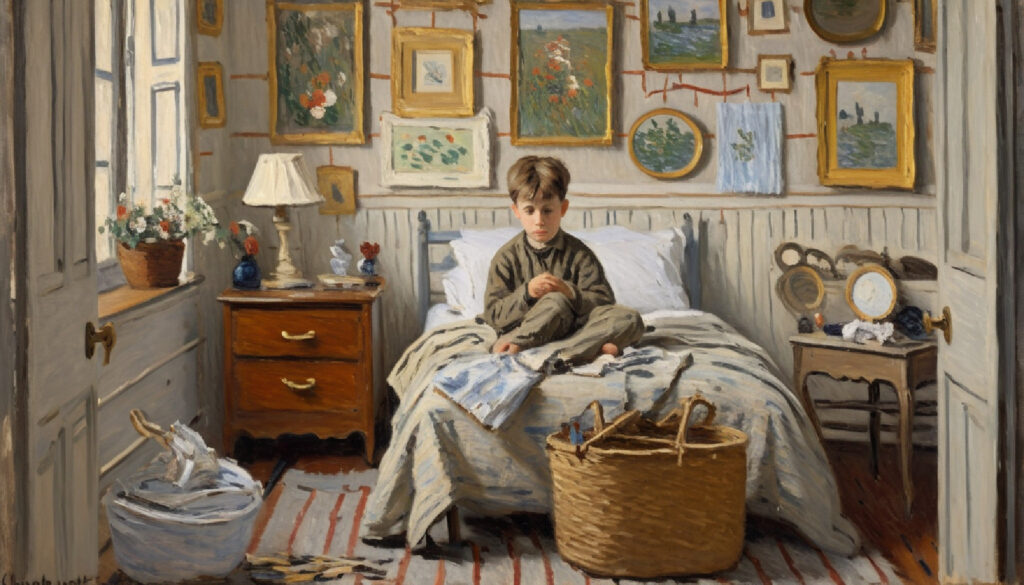
Childhood is shaped by the environment we create, and a handmade home offers something truly special. Rooted in the simplicity of a cottage lifestyle, it fosters creativity, builds deeper connections, and encourages sustainable living. In a world speeding toward convenience, this way of life invites us to slow down and focus on what matters most. Raising children in a handmade home isn’t just about the things we make—it’s about the memories, lessons, and values we pass down along the way.
This page contains affiliate links, which means I may earn a small commission at no extra cost to you. As an Amazon Associate, I earn from qualifying purchases.
The Principles of a Handmade Home
A handmade home is more than just a space filled with handmade objects; it’s a lifestyle built on intentionality, creativity, and purpose. By raising children in a handmade home, parents offer them the tools to connect with the essentials of life. It’s about instilling values that last a lifetime, nurturing skills, and showing that contentment and purpose come from what we do with our hands and hearts.
Emphasis on Craftsmanship
Teaching children hands-on skills like woodworking, sewing, or gardening isn’t just about the tasks themselves. It’s about giving them the confidence to create something from nothing and the patience to see a project through. These are skills that translate far beyond the projects.
Imagine showing your child how to sew a patch onto their favorite stuffed animal. To them, it might seem like magic. But what you’re really teaching is problem-solving, perseverance, and pride in fixing what’s broken instead of throwing it away. Similarly, woodworking can teach focus and precision as they measure, cut, and assemble something they envisioned. And gardening connects them to nature, showing the value of patience as they wait for flowers to bloom or vegetables to ripen.
These activities can become family traditions, a shared language of creativity and collaboration. Children raised in this kind of environment learn the joy of making, but they also develop a deep respect for the time and effort that goes into any crafted item. It’s a lesson that stays with them, shaping how they approach life and challenges.
Sustainable Living Practices
Sustainability is a natural extension of a handmade lifestyle. It’s about teaching kids to care for their home, their environment, and their choices. In a handmade home, nothing is wasted; leftovers become compost, old clothes are repurposed, and toys are fixed, not discarded.
For example, you could involve children in sorting kitchen scraps for composting. It might seem simple, but it teaches them about life cycles and the importance of reducing waste. Even daily chores like hanging clothes on a line instead of using a dryer show them small ways to conserve energy. Children are quick to absorb habits they see every day.
You can also invite them to participate in sustainable activities suited to their age. Younger kids might love helping you create beeswax wraps for food storage, while older children could enjoy experimenting with natural dyes from plants. These small, mindful habits build a bigger understanding of how our choices affect the world around us.
Raising children in a handmade home means prioritizing practices that align with long-term values rather than short-term convenience. It’s about showing them that their actions, no matter how small, matter. And over time, these daily practices turn into a lifestyle, one that quietly shapes how they’ll approach choices as adults.
Creating a Nurturing Environment
Raising children in a handmade home sets the stage for a childhood full of creativity, connection, and growth. By focusing on the little details that make a house feel like a home, you’re creating a space where children feel safe, loved, and inspired. Let’s explore how thoughtful design, nature-focused activities, and a sense of community nurture children in a cottage lifestyle.
Personalized Spaces
Children thrive when they have a space to call their own. A personalized area isn’t just a spot to store toys or do homework—it’s their sanctuary for self-expression. Whether it’s a cozy reading nook filled with their favorite books or a small desk for their art projects, these spaces matter.
When you involve your child in creating their place, it becomes even more meaningful. Let them pick the colors, choose decorations, or rearrange furniture. Even small changes, like letting them hang their latest drawings on the wall, give them ownership. It says, “This is your space, and it matters.”
A handmade home is perfect for this kind of personalization. You can build shelves together from reclaimed wood, sew decorative pillows, or create mobiles from natural materials like feathers and sticks. These projects not only make their space unique but also teach them the value of working with their hands and cherishing what they create.
Nature-Inspired Learning
Children raised in a handmade home learn best by doing, and nothing beats nature as a classroom. A cottage lifestyle encourages outdoor exploration—whether it’s a simple walk through the woods, growing vegetables, or collecting acorns and leaves for crafts. This connection to the natural world sparks curiosity and builds a love for learning.
Outdoor activities can be as structured or free-spirited as you like. Plant a small garden together and let your child pick what to grow. Watching seeds turn into plants is pure magic for little ones—and a powerful lesson in patience. Or set up a nature scavenger hunt, where they can search for things like smooth stones or colorful flowers.
But this isn’t just about the activities. It’s about the lessons they carry forward. They’ll understand the changing seasons, observe how plants grow, and develop an appreciation for the beauty around them. These simple joys stay with them, grounding them in a fast-changing world.
Community Connections
In a cottage lifestyle, raising children in a handmade home isn’t just a family effort—it’s a community one. Building relationships with neighbors, participating in local events, or trading homemade goods teaches children the value of connection and cooperation. It helps them see the home not as an isolated space but part of something bigger.
You can start with small interactions. Bake cookies with your kids and deliver them to a neighbor. Attend a local farmer’s market together, chatting with the growers and artisans there. These moments teach kindness, communication, and the joy of giving back.
For older children, getting involved in community projects, like gardening clubs or craft fairs, can expand their social circle. They’ll meet people of all ages and backgrounds, learning skills and stories they can’t pick up anywhere else. Interacting face-to-face builds confidence and shows them the importance of meaningful relationships in a world dominated by screens.
Raising children in a handmade home —it’s their launchpad into a life filled with creativity, curiosity, and connection. Through personal spaces, outdoor adventures, and community ties, kids thrive in an environment that feels as warm and intentional as the cottage walls around them.
Encouraging Creative Play
Creative play is one of the greatest gifts a handmade home can offer children. In a world crowded with screens and pre-packaged entertainment, a space designed for imagination and hands-on exploration can feel like a breath of fresh air. When kids have the freedom to think, build, and dream in their unique way, they develop skills that go far beyond playtime. They learn to solve problems, express themselves, and even entertain themselves—all while having fun.
Handmade Toys and Materials
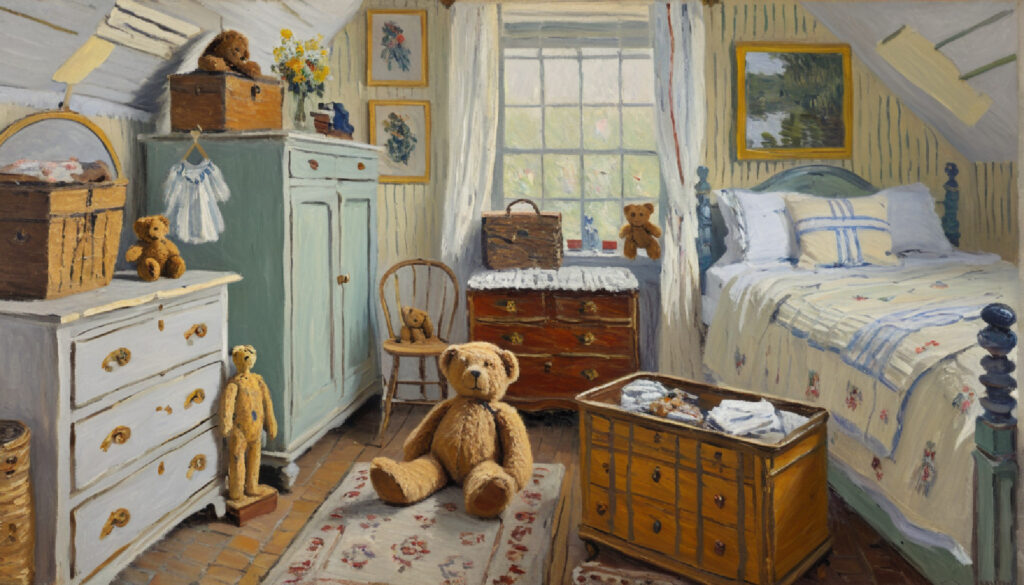
Handmade toys and natural materials bring a special magic to play. Unlike flashy, battery-operated toys that often come with one purpose, handmade items invite kids to fill in the gaps with their own ideas. A simple wooden block can be a fort, a ship, or even a castle, depending on the child’s mood.
Toys crafted from natural materials—wood, wool, cotton—connect children to the warmth of the earth. They feel different in tiny hands, offering sensory experiences that plastic simply cannot. They’re often more durable, too, making them heirlooms in the making. Imagine passing down a lovingly whittled doll or a stuffed animal sewn from old clothes, each with stories woven into its seams.
Another benefit? Handmade toys avoid overwhelming kids with noise and flashing lights. They encourage children to act rather than react. A set of fabric scraps and buttons can become an impromptu sewing project for dolls’ clothes. A carved spinning top creates wonder as it dances across the floor. These small, meaningful moments grow into a love for creative, unstructured play.
Here are some handmade options that spark imagination:
- Wooden blocks: Classic and versatile for building, stacking, and everything in between.
- Hand-sewn puppets: Perfect for storytelling and role-playing.
- Knitted animals or dolls: Cozy companions for endless adventures.
- Nature finds: Pinecones, smooth river stones, or seashells double as treasures for pretend play.
By choosing handmade toys and materials, you’re not just filling a toybox—you’re inspiring curiosity and creativity while teaching kids to value simplicity.
DIY Projects with Children
Few activities bond a family like making something together. DIY projects aren’t just about the final product—they’re about the laughter, learning, and teamwork along the way. The best part? You don’t need to be a Pinterest pro or a crafting enthusiast to dive in. Simple projects often have the biggest impact.
Start with age-appropriate activities. For younger children, finger-painting or making paper crafts can be the perfect introduction. Older kids might enjoy more challenging options, like building birdhouses or stitching small felt pouches. Either way, the process teaches patience, problem-solving, and the satisfaction of creating with their own hands.
Here are a few ideas to get started:
- Homemade playdough: Mix flour, salt, water, and food coloring to make colorful, safe modeling material.
- Nature-inspired art: Use leaves, sticks, or flowers to create prints or sculptures.
- Recycled projects: Transform cardboard boxes into castles, rockets, or dollhouses.
- Homemade instruments: Build a simple drum from an empty oatmeal container or shakers from jars and pebbles.
These projects do more than entertain. They teach kids to work through challenges—when the cardboard roof won’t stay up, for instance, or the color mix isn’t quite right. It’s a safe place for trial and error, where mistakes are part of the journey.
Ultimately, you’re not just making crafts; you’re making memories. Years from now, they might not remember the perfect drumstick or the exact shade of playdough, but they’ll remember the laughter, the time spent side by side, and the sense that they could create something special from nothing at all.
Life Skills for Children
A handmade home isn’t just a place to live; it’s a workshop of life lessons. When you’re raising children in a handmade home, life skills naturally find their way into daily routines. These lessons aren’t about formal instruction—they’re about showing kids how to contribute, care for themselves, and build confidence through hands-on experiences. Two key areas to focus on are cooking and home maintenance.
Cooking and Nutrition
Teaching kids to cook is one of the most valuable gifts you can give them. It’s not just about whipping up meals—it’s about understanding what goes into their bodies and the joy of preparing food from scratch. In a handmade home, the kitchen often becomes the heart of the family, where learning happens as naturally as breathing.
Start with simple tasks. Younger kids can help wash vegetables, stir batter, or sprinkle seasoning. Older children can try cutting soft ingredients with a safe knife or measuring out dry ingredients for a recipe. These small duties lay the foundation for independent cooking later on.
Make it fun by involving them in the process from the beginning. Let them choose which veggies to grow in the garden or pick out recipes to try as a family. When kids have a hand in making decisions, they’re more likely to eat and appreciate what they’ve prepared. Plus, it’s a great way to sneak in lessons about nutrition—why fresh produce is better than processed snacks, or how balanced meals fuel our bodies.
Cooking also sparks curiosity. Why does bread rise? What makes a soup taste just right? They’ll start to ask questions, and you’ll get the chance to guide them with answers that stick.
For a handmade home twist, consider making staples like jam, bread, or even butter from scratch. These activities frame cooking as a creative, hands-on experience rather than just a chore. And don’t forget cleanup—it’s an essential part of the process that teaches responsibility and respect for shared spaces.
Cooking together is more than a lesson in food prep. It’s an opportunity to bond with your kids, share stories, and instill a love for nourishing themselves and others.
Home Maintenance Skills
Home maintenance may sound like a chore to adults, but for kids, it can be an empowering way to learn responsibility. When children are part of taking care of the home they live in, they feel more connected to it. They start to see themselves as contributors rather than just guests.
The key is starting small and giving tasks that match their abilities. Younger kids can help you dust furniture, water houseplants, or sort laundry by color. These small efforts give them a sense of accomplishment and show that even tiny hands can make a big difference.
As they grow, you can teach them more complex skills. By eight or nine, they might enjoy learning how to fold clothes properly, sweep floors, or help wash windows. Teens can tackle tasks like fixing a leaky faucet, light painting, or organizing a closet. These are all practical skills they’ll carry into adulthood.
Maintenance Projects
For a handmade home, try to involve them in maintenance projects that connect them to the space. For example:
- Basic repairs: Show them how to fix a squeaky door or patch a minor hole in the wall.
- Gardening upkeep: Let them weed a flowerbed or prune plants under your guidance.
- Painting and decorating: Give them a small paint roller and let them help refresh a wall or piece of furniture.
By giving kids age-appropriate tasks, you’re not just teaching them how to care for a home—you’re showing them the rewards of hard work. They see that effort leads to a clean, cozy, and welcoming space.
Even better, these moments create opportunities to work side by side. Share stories as you fold laundry together, or chat about their day while sweeping up. These simple acts of maintenance can turn into cherished memories.
When kids learn to cook and care for their home, they gain more than just practical skills. They develop confidence, learn teamwork, and feel proud of their contributions. It’s all part of the handmade home experience—the little lessons that add up to a lifetime of ability and independence.
Building Family Traditions
Family traditions are the heartbeat of a handmade home. They connect generations, give children a sense of belonging, and make everyday life feel rich with meaning. In a world full of distractions, creating these moments builds stability and joy. Through shared rituals and experiences, children carry forward the values and memories that shape them into who they’ll become.
Seasonal Celebrations: Exploring the Joys of Each Season
Each season brings new opportunities to build family traditions that celebrate the rhythms of nature. When you live in a handmade home, seasonal rituals go beyond decoration—they’re infused with creativity, connection, and purpose.
Spring
In the spring, why not start a family tradition of planting a garden together? Let the kids choose a variety of flowers or vegetables. Hand them small tools and let them dig their own little patch. This simple act teaches patience as they watch their efforts blossom through the warmer months. Spring crafts, like making flower crowns or decorating eggs with natural dyes, can also become cherished annual activities.
Summer
Summer is made for outdoor fun. Organize an evening to build a small fire pit and roast marshmallows as a family. Or set up a simple craft station outside—think tie-dying t-shirts or painting rocks for the garden. It’s about creating moments that are as colorful as the season itself.
Autumn
Autumn invites traditions filled with warmth. An afternoon spent gathering leaves and pinecones can spark craft ideas like making garlands or wreaths. Cooking also becomes a big part of seasonal celebrations during this time. Start a family tradition of baking pies or making apple cider from scratch. When children measure ingredients, mix dough, and learn family recipes, they’re not just helping—they’re building skills and memories.
Winter
Winter brings coziness and togetherness. Set up a crafting corner to make homemade decorations or gifts. Create an annual baking day where everyone works together to whip up cookies to share with neighbors. Don’t forget to embrace the outdoors! Even the simplest rituals, like a family walk after it snows, can feel magical and grounding.
The key is consistency. Children adore knowing that every spring brings new plants, every autumn brings baking days, and every winter means a walk through the freshly fallen snow. These traditions mark time and help children feel rooted in the home and family they’re growing up in.
Storytelling and Cultural Heritage
Storytelling breathes life into family history and traditions. It’s one of the simplest yet most powerful ways to instill a sense of belonging. When you share stories, you connect your children to the past, giving them roots that keep them grounded no matter where life takes them.
Think about the stories that shaped you—your grandparents’ tales of childhood mischief, the challenges your parents faced, or the quirky details of family holidays. After dinner, gather in the coziest spot in the house. Share folk tales, traditional songs, or even recipes with special significance. For younger children, storytelling can become part of their bedtime routine. Instead of picking up just any book, tell a family story. Start small—maybe how you celebrated the holidays as a child or the funny thing their grandparent once did. Over time, these stories weave a tapestry of connection and heritage that feels uniquely theirs.
Don’t worry if you’re not a “natural storyteller.” The beauty lies in the act itself, not the polish. Your children will remember the warmth of your voice and the safe feeling of being wrapped in a narrative that belongs only to your family. Through these stories, they’ll come to understand and cherish the values and traditions that make their family unique.
Conclusion
Raising children in a handmade home rooted in a cottage lifestyle fosters creativity, connection, and lasting values. It’s not about perfection but about creating a space where kids thrive through meaningful traditions, hands-on skills, and close ties to nature and community.
Small moments—like repairing a toy, cooking together, or telling family stories—become the foundation of a childhood rich with purpose and joy. These experiences teach life skills and nurture an appreciation for simplicity and self-expression.
Start with one change. Involve your children in a project or activity that speaks to your family’s heart. Over time, these choices shape both your home and the memories your children carry forward. Every stitch, meal, and shared story leaves its mark. It’s an investment in a life full of creativity and connection.
You May Also Like
Easy & Elegant Peter Rabbit Springtime Birthday Party
Airplanes, Art, and other Amazing Toys That Start With “A”
Top 10 Classic Toys Kids Still Love Today
Simple Yet Timeless Marble Games To Keep The Fun Rolling
26 Alphabet Block Games Your Kids Will Love (And Teach Them To Read Along The Way)
Celebrate Mom’s Love: 10 Children’s Books for Mother’s Day
How to Add Pink Jemima Puddle Duck Inspiration To Your Nursery