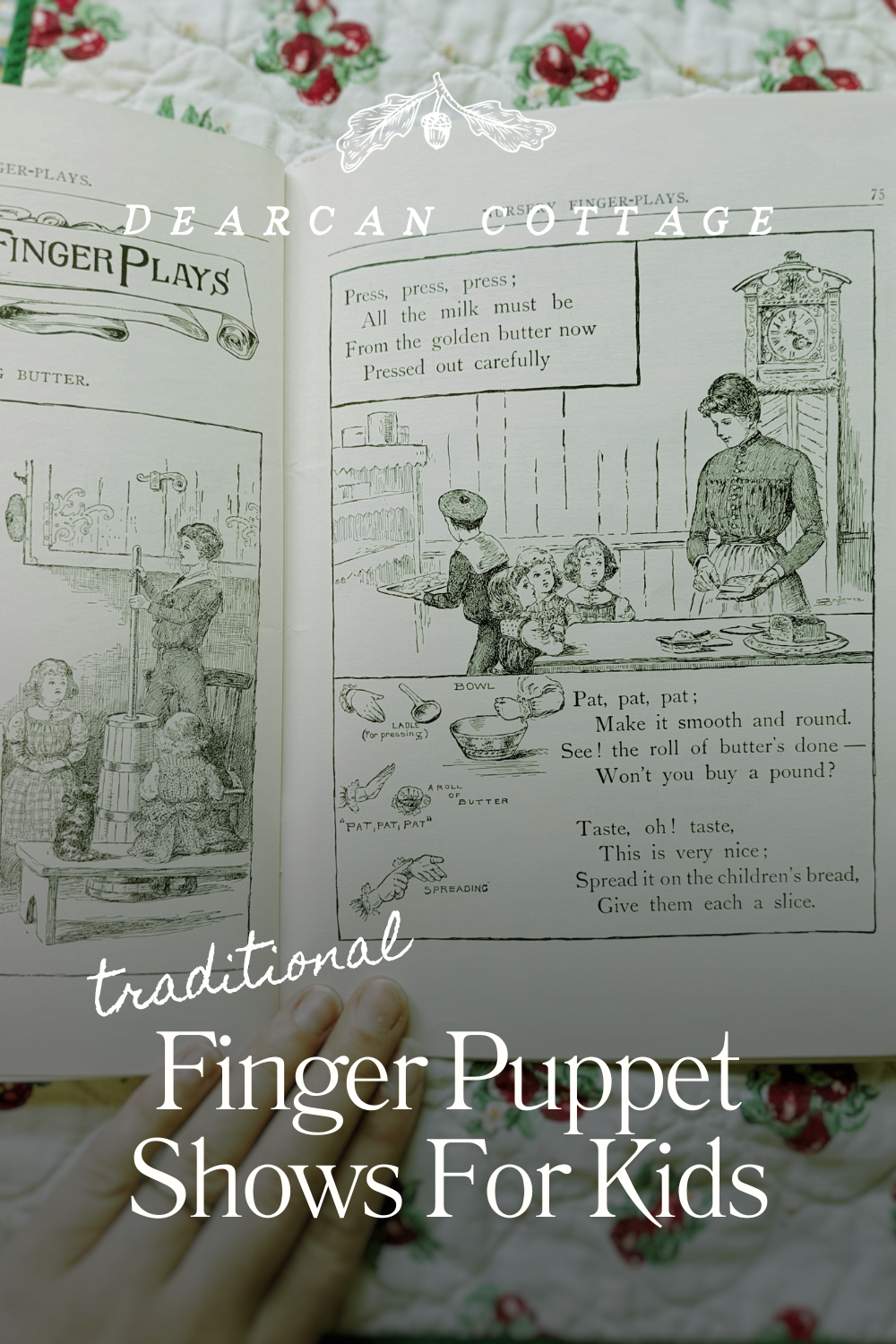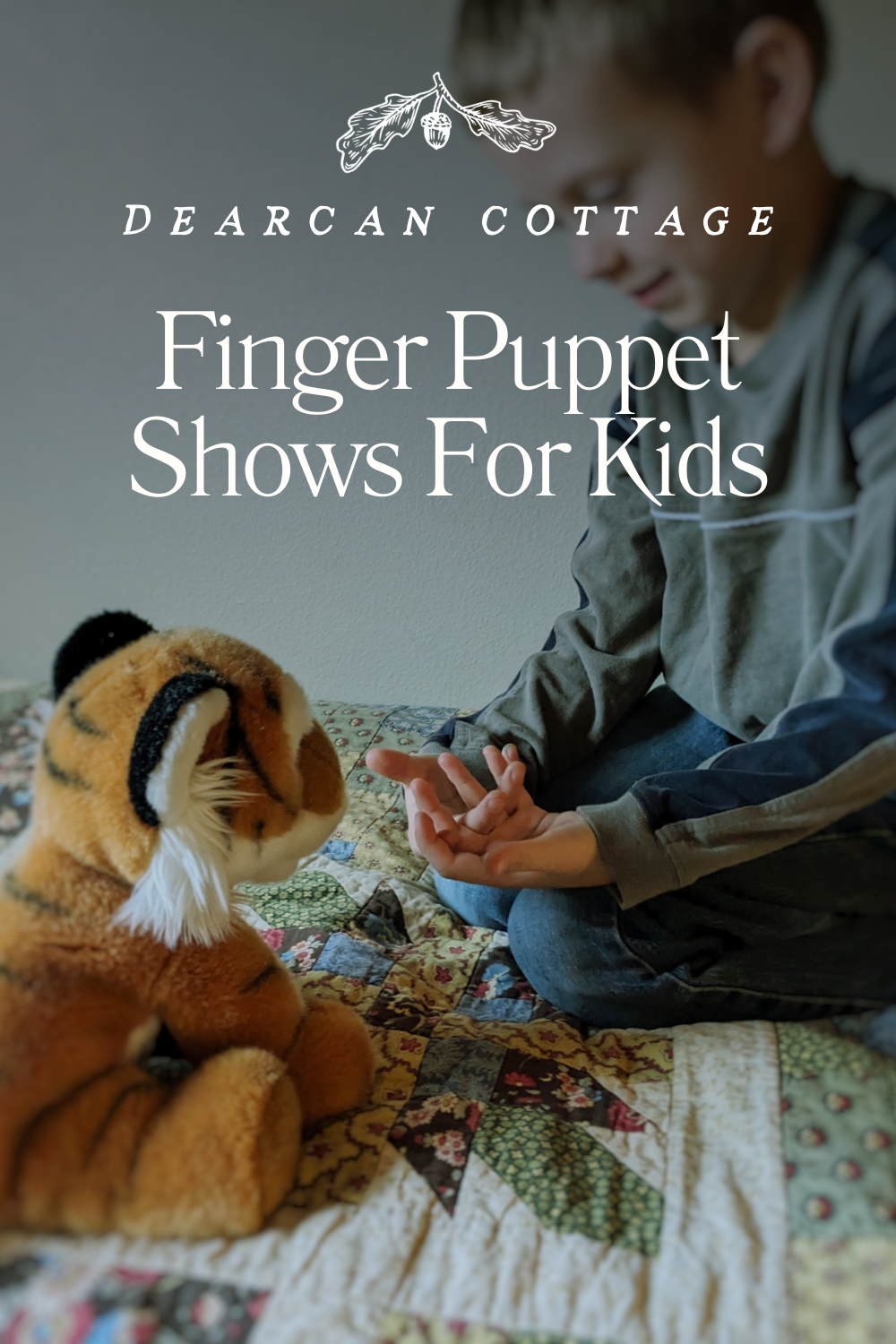
Bring the theatre anywhere you go with Emily Poulsson’s Finger Plays. You haven’t heard delightful nursery rhymes or seen finger puppetry like Emily Poulsson’s. With traditional songs about animals and work around the farm, children will sing and play through their hands a story about chickens, milling flour, making butter, and baking bread.
Created over a century ago, by an early childhood educator, and now available for free public download, these plays remain timeless tools, blending rhythm and gestures to build motor skills and fuel imagination. In this post, you’ll discover how to effortlessly integrate these classic activities into your daily routine, ensuring your little ones are both entertained and learning. Let’s explore how these simple yet effective plays can transform your teaching experience.
Jump Ahead
- Overview Of Emily Poulsson’s Finger Plays
- Preview Finger Play Songs
- Benefits of Finger Plays
- Download Finger Plays Song Book
- Hear The Music
- Why Children Should Sing
Overview of Emily Poulsson’s Finger Plays
When you step into the vibrant and colourful world of preschool, engaging those little minds can be a real art form. One delightful method is through Emily Poulsson’s Finger Plays. These playful activities stir not just fingers but imaginations too, bringing joy and learning to the forefront.
What Are Finger Plays?
A finger play is storytelling with hand movements paired with simple rhymes or short songs. Emily Poulson’s book, Finger Plays for Nursery and Kindergarten, is where the term is from. These songs might seem basic, but they’re packed with educational benefits. Imagine combining words with dance—each finger becoming a character in its own story. Finger plays are a staple in early childhood education because they help preschoolers develop fine motor skills, language abilities, and even social understanding.
These lively gestures captivate young minds, turning each session into an interactive adventure. As children mimic movements and sing along, they’re not just playing—they’re learning rhythm, enhancing vocabulary, and practicing coordination. It’s like giving their brains a workout while having fun.
Who is Emily Poulsson?
Anne Emilie Poulsson, often remembered as Emilie Poulsson, was a pioneering figure in early childhood education in the late 19th and early 20th centuries. Known affectionately as the “Finger Play Lady,” Poulsson captured the hearts of young learners with her innovative approach. Her 1893 book, “Finger Plays for Nursery and Kindergarten,” introduced engaging songs where children could use their hands and fingers to act out lyrics—a method that quickly gained popularity.
Beyond her creative contributions, Poulsson faced personal challenges with vision loss. This led her to learn braille and significantly influence the education of blind students. She played a key role in establishing the first kindergarten for the blind in the U.S., integrating Friedrich Froebel’s educational principles (who believed education should be shaped by student needs). These principles focused on sensory exploration, encouraging children to use touch and hearing to interact with the world around them. Emilie Poulsson’s legacy continues to inspire educators today, blending creativity with accessibility in early learning.
Preview Finger Play Songs
Finger plays are a creative way to engage preschoolers, blending movement with music to tell stories and teach concepts. They make learning fun and interactive—essential for young, curious minds. Below, you’ll find some popular finger play songs from Emily Poulsson’s collection, along with activities to enrich the experience.
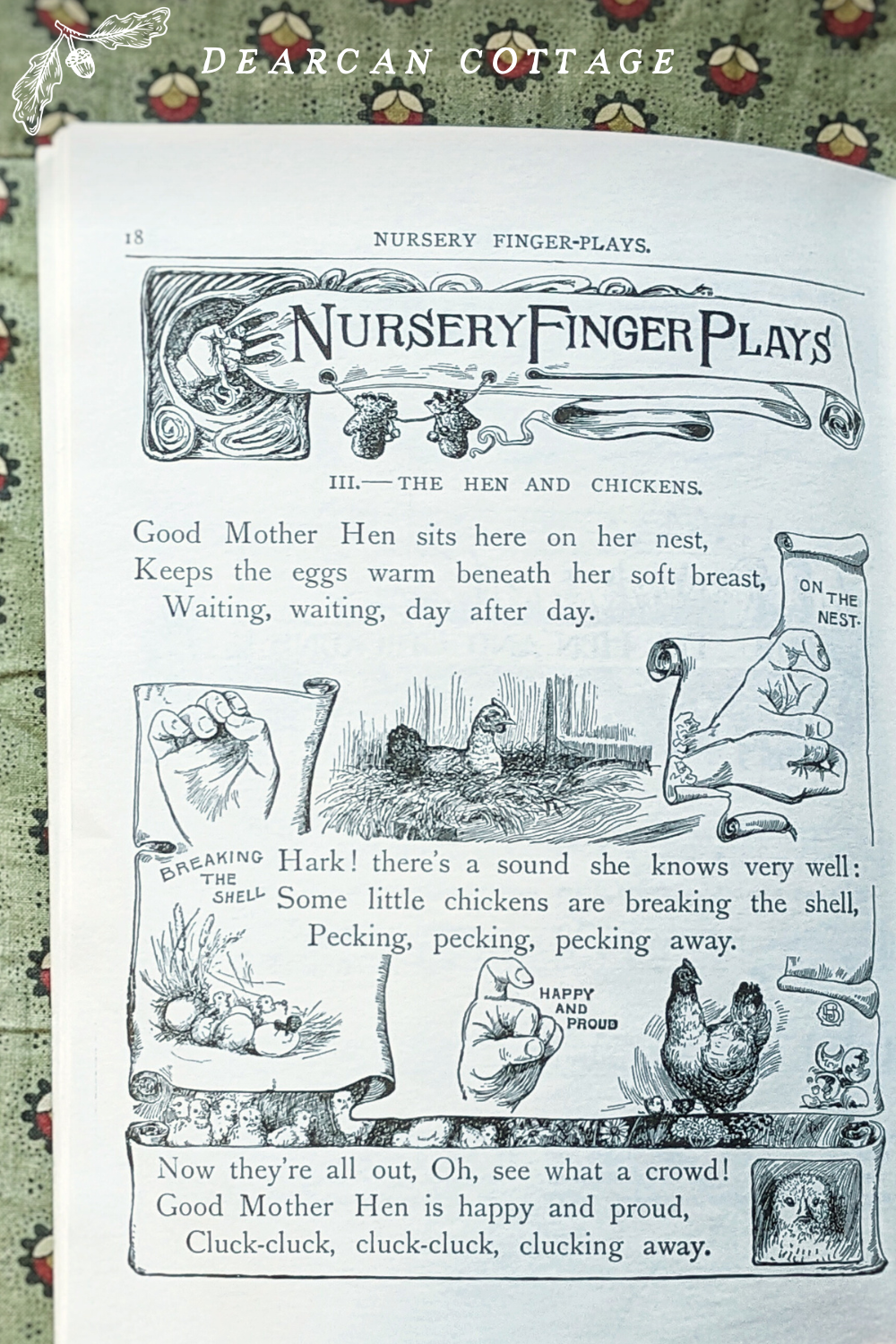
The Hen and Chickens
This delightful song explores themes of family and care as children mimic a mother hen with her chicks. Encourage the kids to use their hands to form a hen and wiggle their fingers to represent little chicks. It’s a great way to introduce ideas about family, nurture, and animal behaviors, sparking imagination and role-play.
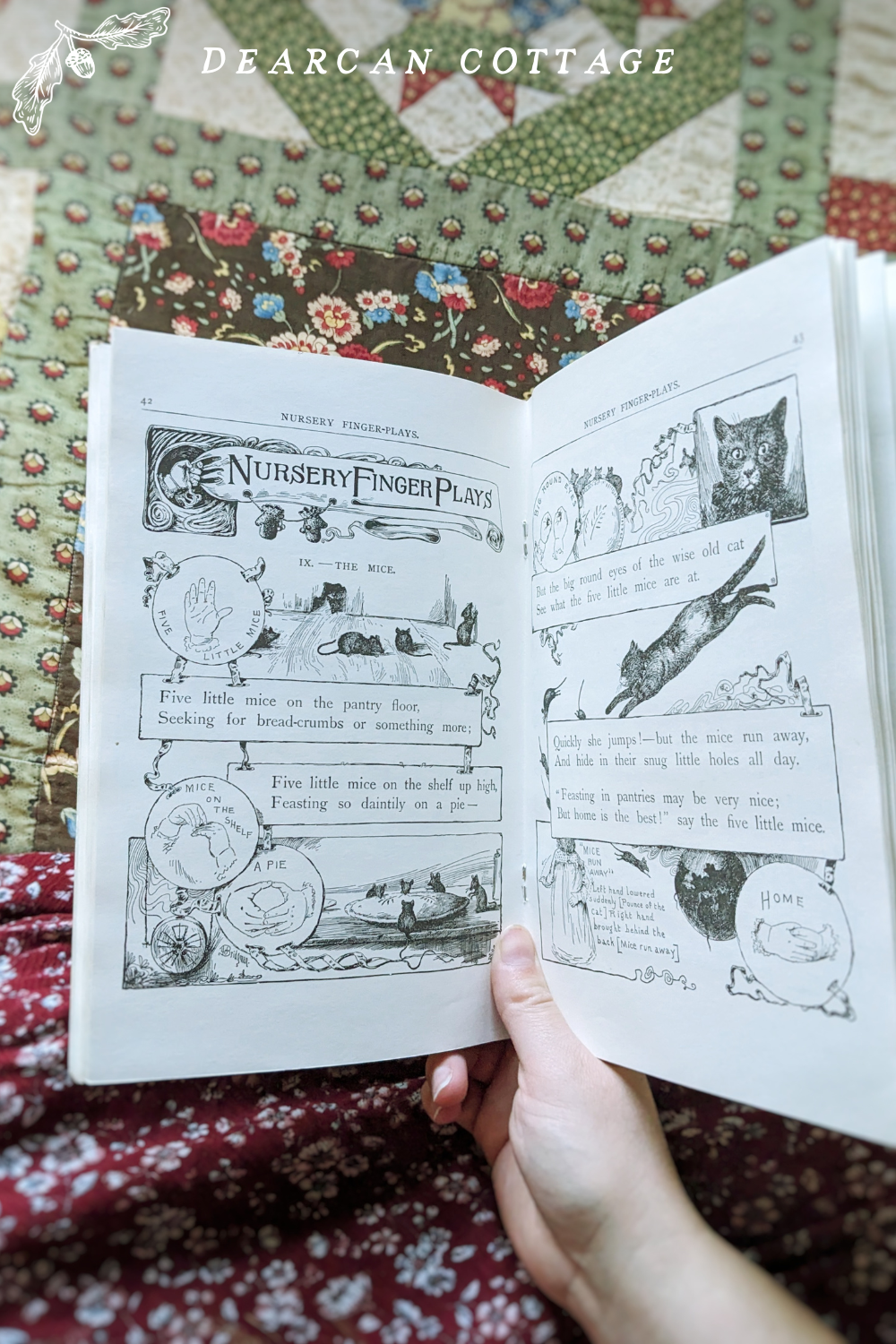
The Mice
Children will mimic with their hands the story of five little mice scurrying about, nibbling on crumbs and savouring pie. Suddenly, an old cat appears, ready to pounce. But don’t worry, these clever mice dash to safety, retreating to their cozy holes. This playful tale is a sweet blend of suspense and comfort, perfect for those new to storytelling. It’s a gentle introduction to the idea that adventures are thrilling, but safety and love await us at home.
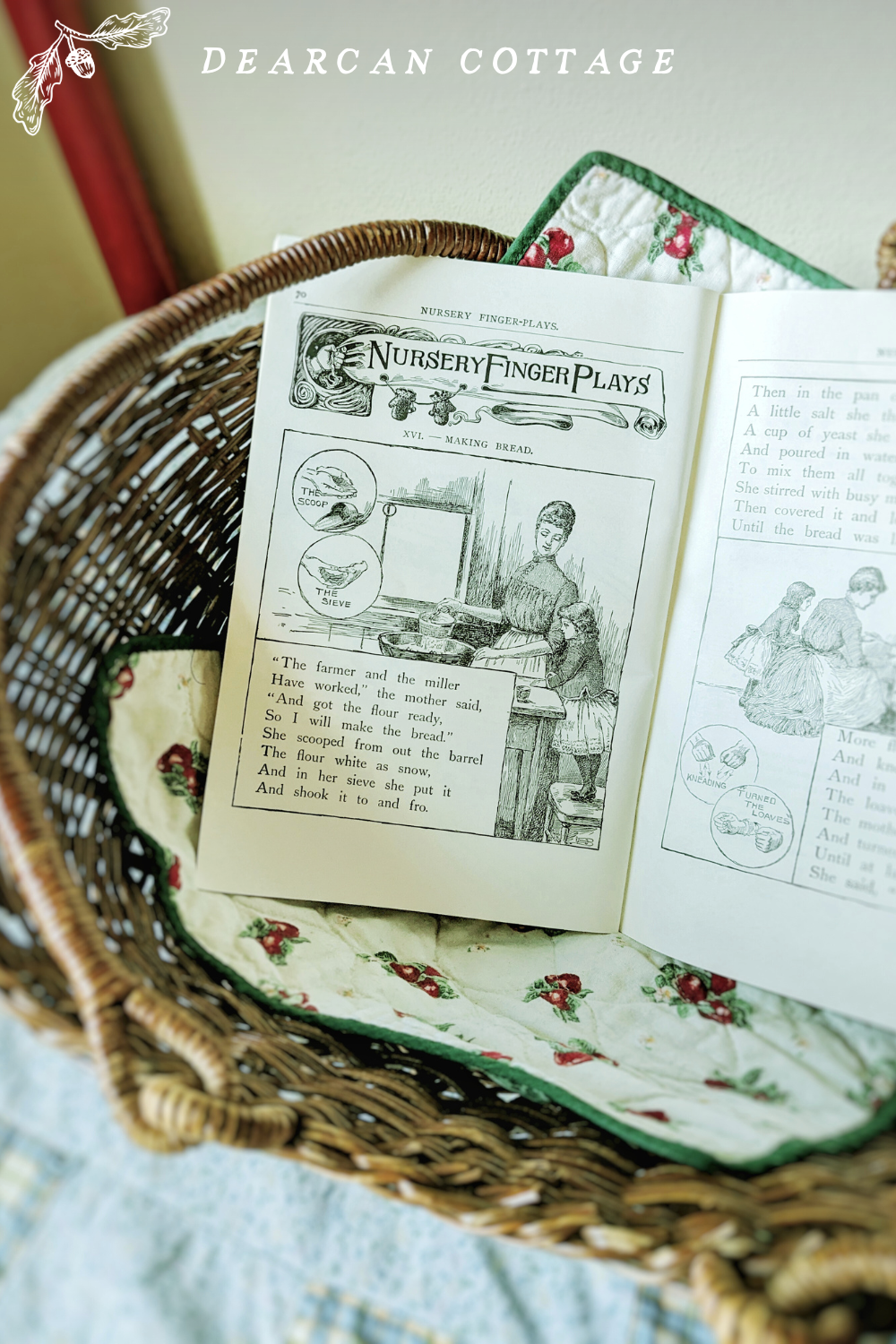
Making Bread
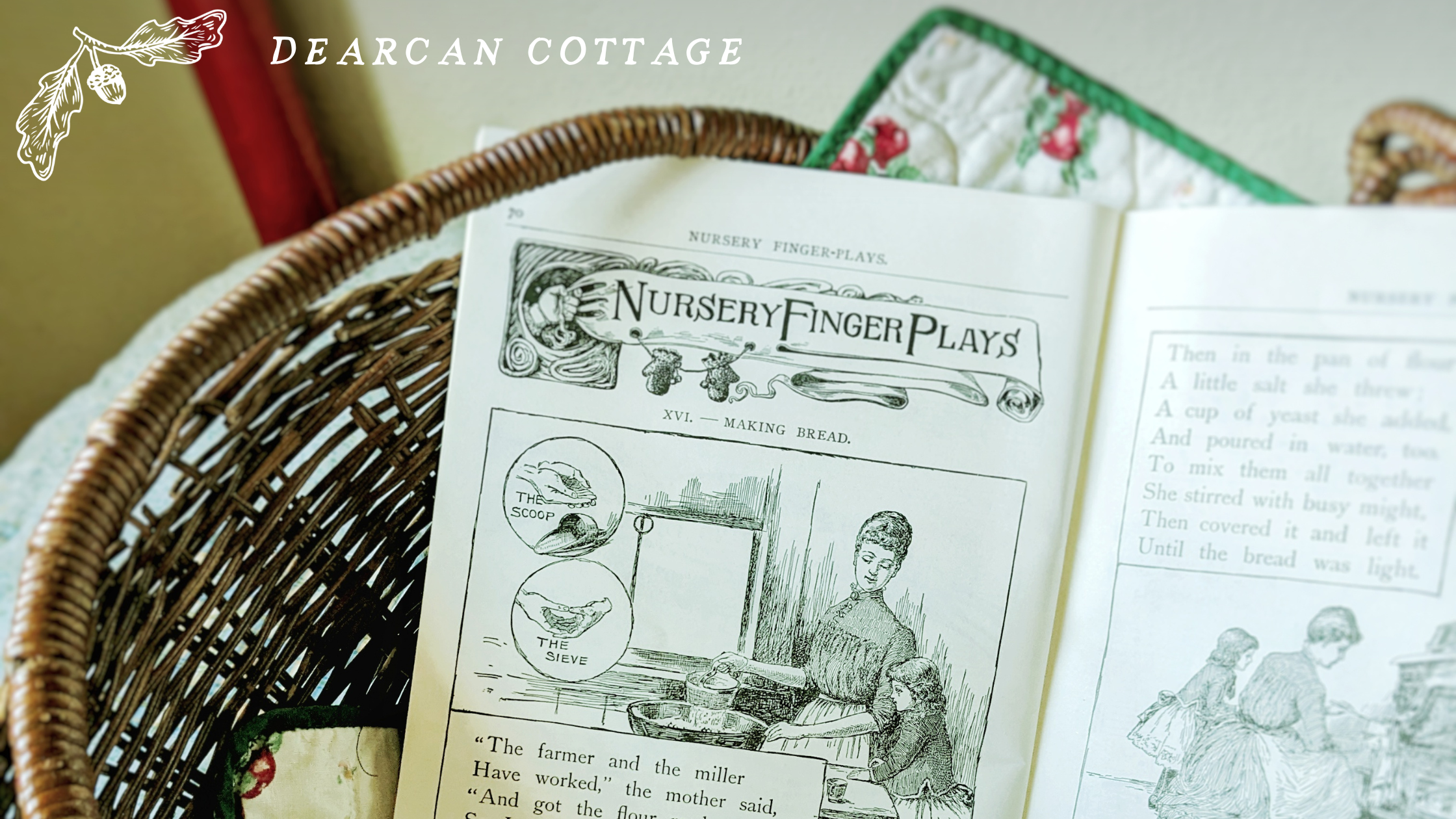
“Making Bread” is a sensory delight, as it involves action words that mimic kneading dough. Encourage children to pretend bake, developing motor skills and highlighting the process of bread-making. Discussing ingredients and actions provides a wonderful opportunity to introduce concepts about food preparation and nutrition.
Engaging preschoolers with Emily Poulsson’s finger plays isn’t just about music and movement—it’s about creating an immersive learning environment. Each song lends itself to broader topics, nurturing young minds with wonder and curiosity.
Benefits of Finger Plays
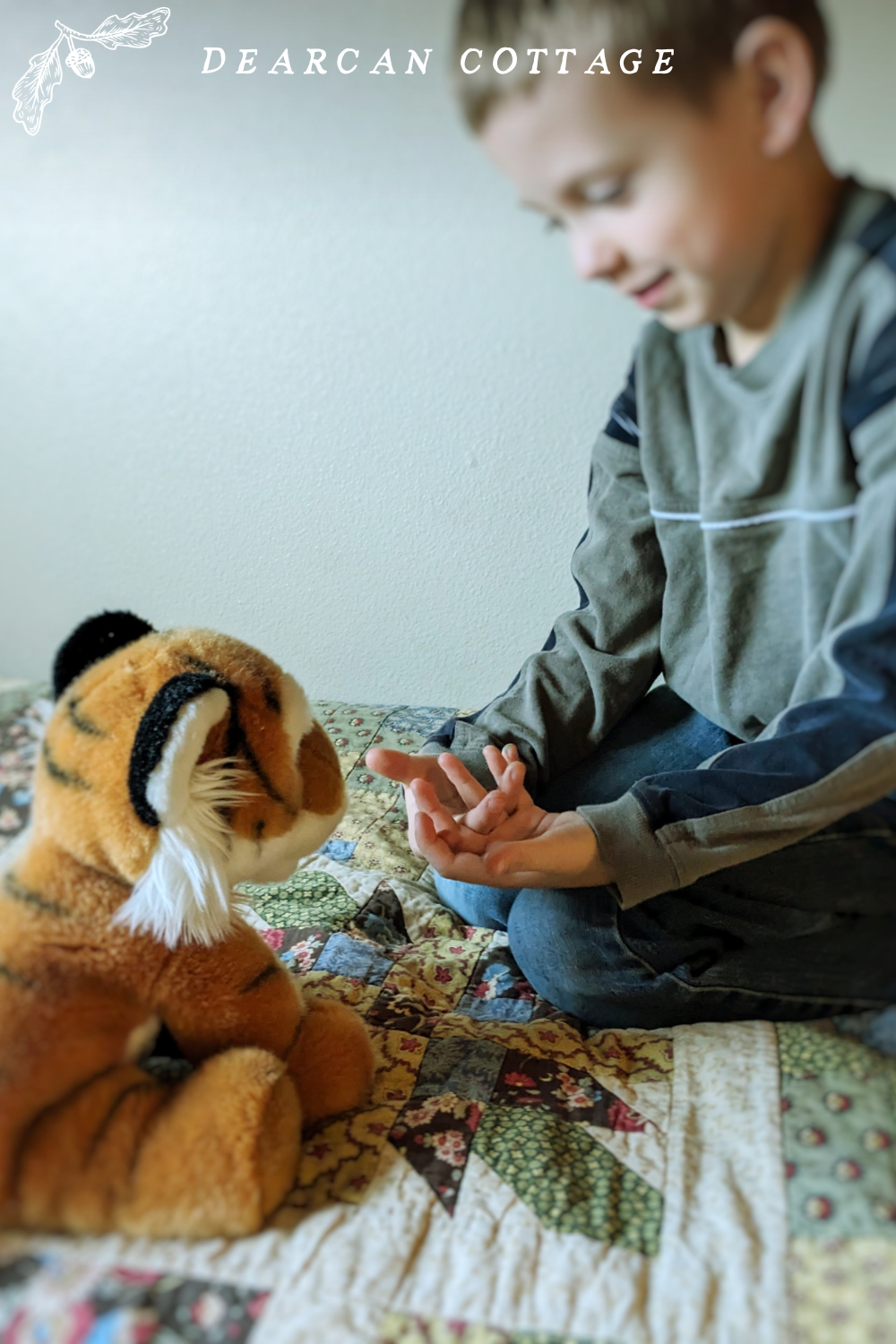
The rhythm and rhyme of finger plays make them powerful tools for language development. Singing along boosts vocabulary and helps children grasp pronunciation nuances. The repetition inherent in finger plays reinforces new words and phrases, allowing children to expand their language banks effortlessly.
For Home Educators & Schools
These plays aren’t confined to the classroom; they’re equally effective at home. This is what Emily Poulsson’s hope was for educators in the classroom and parents alike. Parents can use them as educational games to reinforce home learning. Parents can use Emily Poulsson’s “Finger Plays for Nursery and Kindergarten”, from singing about numbers to farm animals, making them a fun addition to any preschool curriculum toolkit, that’s FREE.
Enrichment Games
These finger plays can transform a regular day into an enriching interactive game experience, sparking children’s curiosity and keeping them engaged. By incorporating imaginative actions, these activities capture kids’ attention, making learning feel less like a task and more like a fun game. They’re perfect for breaking the monotony and keeping kids actively involved.
Language Skills and Music
When Emily Poulsson used her methods with blind students, she tapped into their ability to teach through touch and sound. Her approach showed that these activities can break barriers in education, making learning accessible and delightful for all. Kids develop language skills, fine motor coordination, and even social interactions with these interactive song games.
To sum up, finger plays aren’t just simple songs and movements. They’re a dynamic educational tool that nurtures development, encourages creativity, and makes learning a joyous journey. Integrating them into daily preschool activities can create a lively and effective learning environment that’s bound to inspire and engage every young learner. So, welcome them into your teaching approach and watch the magic unfold as children not only learn but also truly love the process.
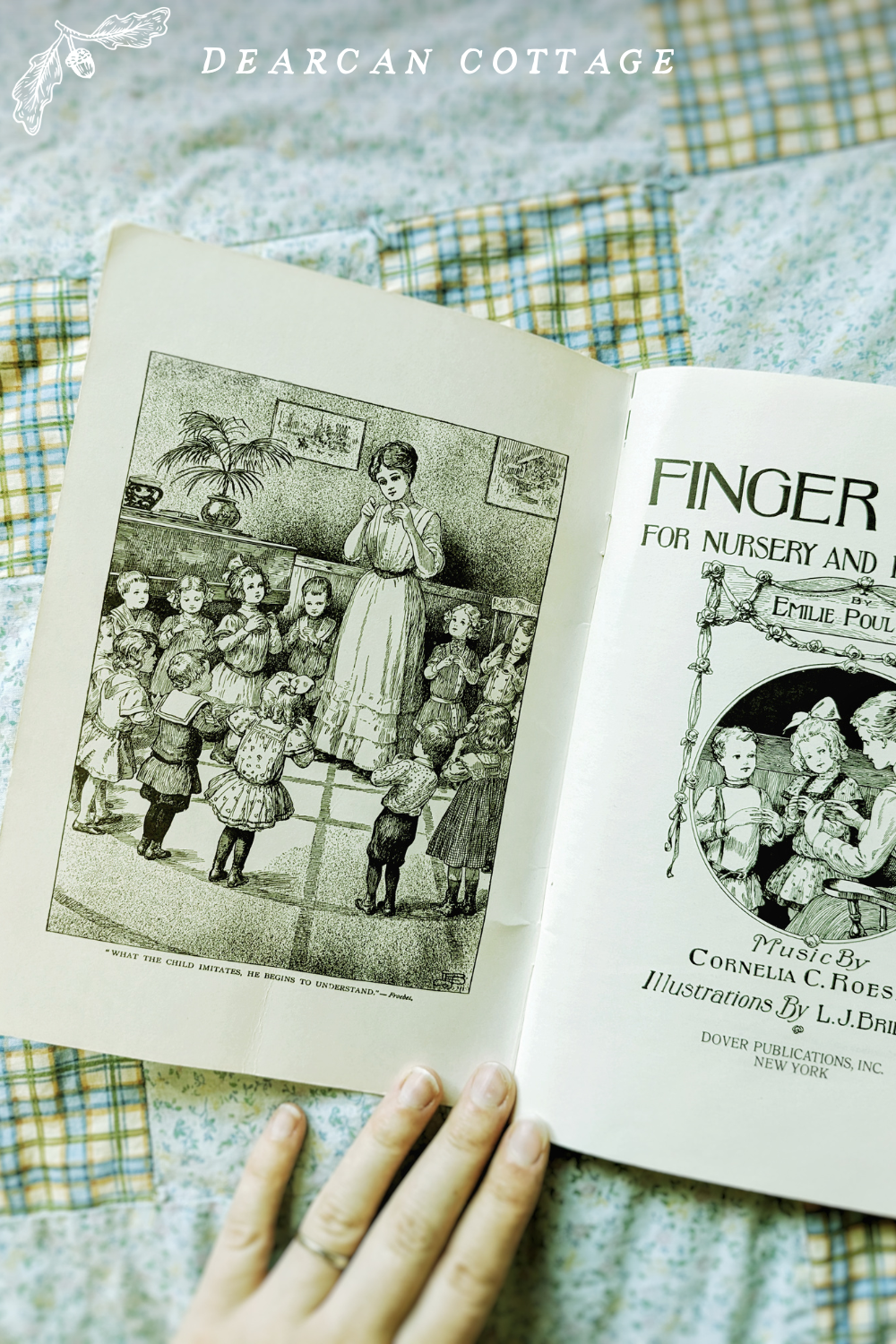
Download Finger Plays Song Book
You can easily explore Emily Poulsson’s songbook, “Finger Plays for Nursery and Kindergarten,” for free. One of the best places to find it is Project Gutenberg (Click here for direct page), a treasure trove of public domain works.
Here’s how you can start your journey:
- Visit Project Gutenberg: Simply type “Emily Poulsson Finger Plays” into the search bar.
- Download Formats: Choose from formats like Read Online (great for printing at home), Kindle, or Download HTML (zip files of individual pages and images), making it adaptable to your preference.
- Begin Exploring: Dive into the playful world of fingers and rhymes, ready to engage your little ones.
Because this book is out of print, you could either print your own personal copy or thrift it from book stores. I have an article that shares all the ways you can thrift specific books.
You May Also Like
Hear The Music
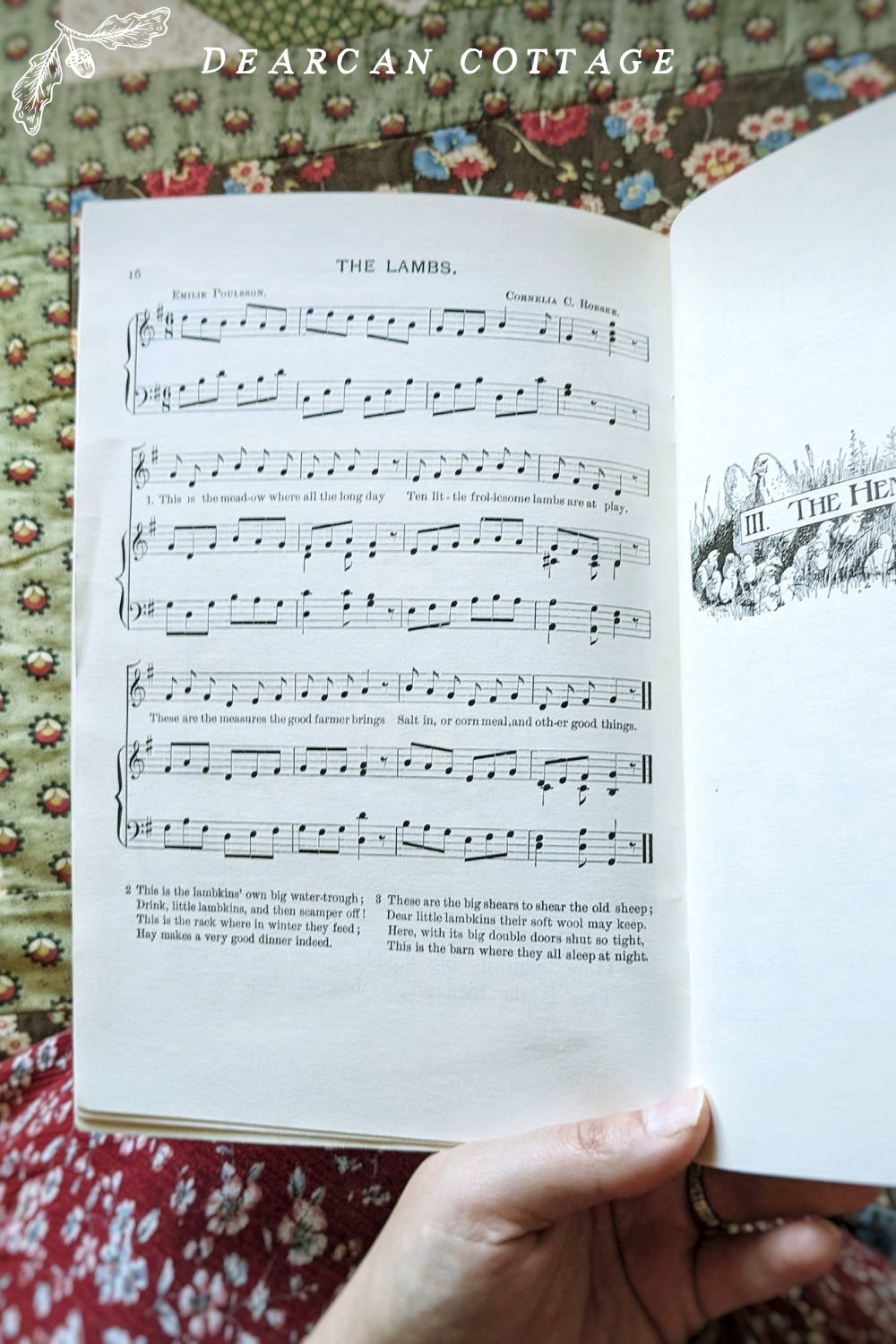
Each book comes with convenient music sheets for musicians and singers to utilize. If you’re like me, and not skilled in reading sheet music, I have easy solutions for you! Readers can choose between links shared via Emily Poulsson’s Finger Play digitized book on Project Gutenberg’s, or a YouTube playlist for a musical and visual option.
Instrumental Music Links
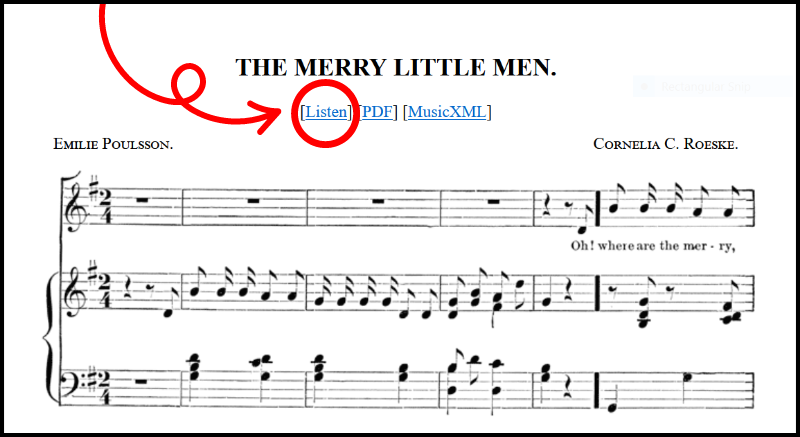
To hear individual instrumental score from of Emily Poulsson’s Finger Plays for Nursery and Kindergarten on Project Gutenberg, composed by Cornelia C. Roeske. Readers can find playable music linked at the top of each music sheet. Just scroll down along the page and click “listen” to hear and download.
Interactive Learning through YouTube
There is also this YouTube playlist linked, not sponsored, by “Teaching Children Music”, if you’d rather an easy and visual experience. This entire playlist of Emily Poulsson’s Finger Plays was made by a music theory teacher for young children. She has taken the trouble to not only sing the rhymes but to act out the finger play movements! It’s simple, joyful, and evenly paced, so you can use it to teach yourself and your children. Be sure to give her page a like, applaud her timeless work, and say you came from here, and hi from Paris at Dearcan Cottage!
List of Songs
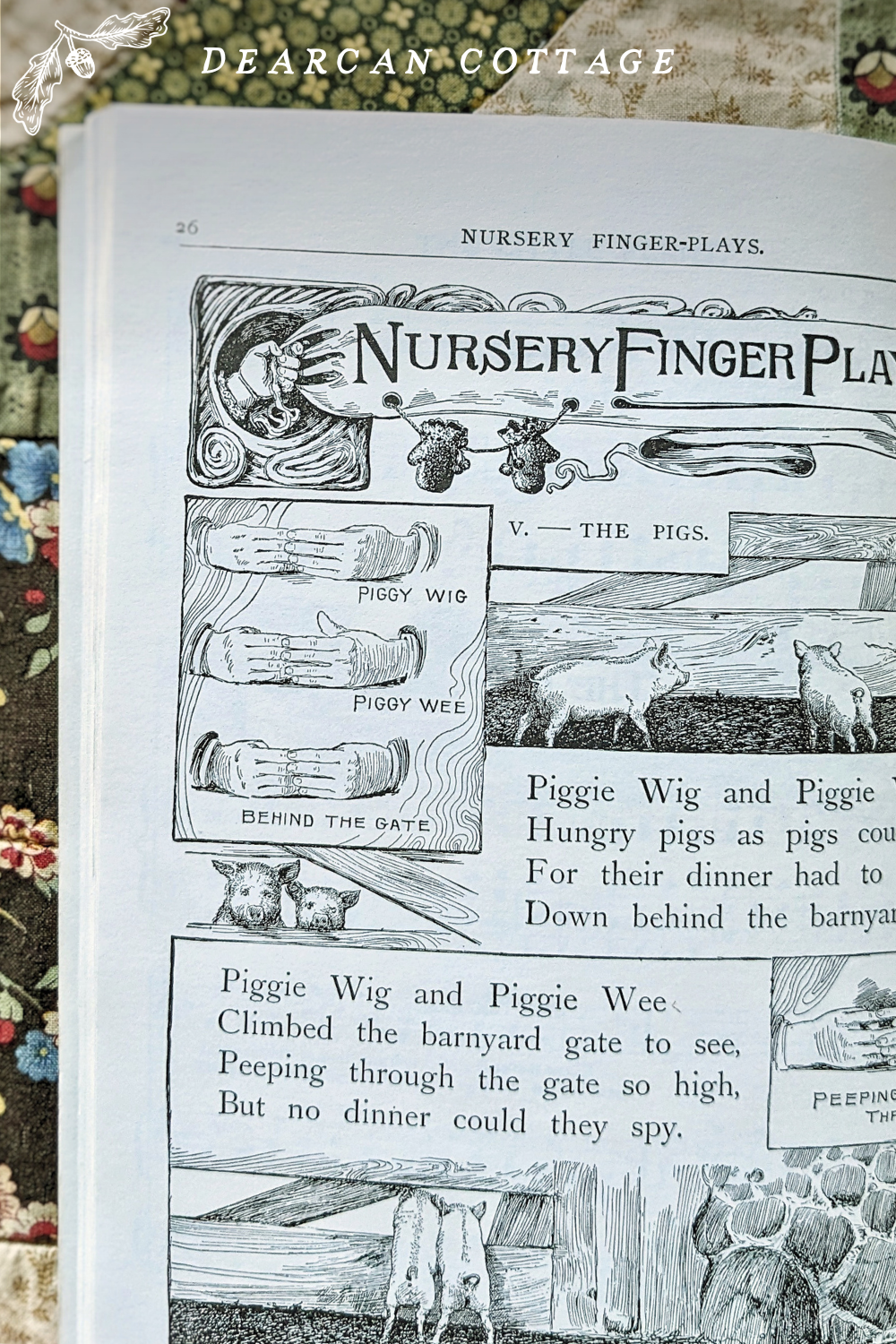
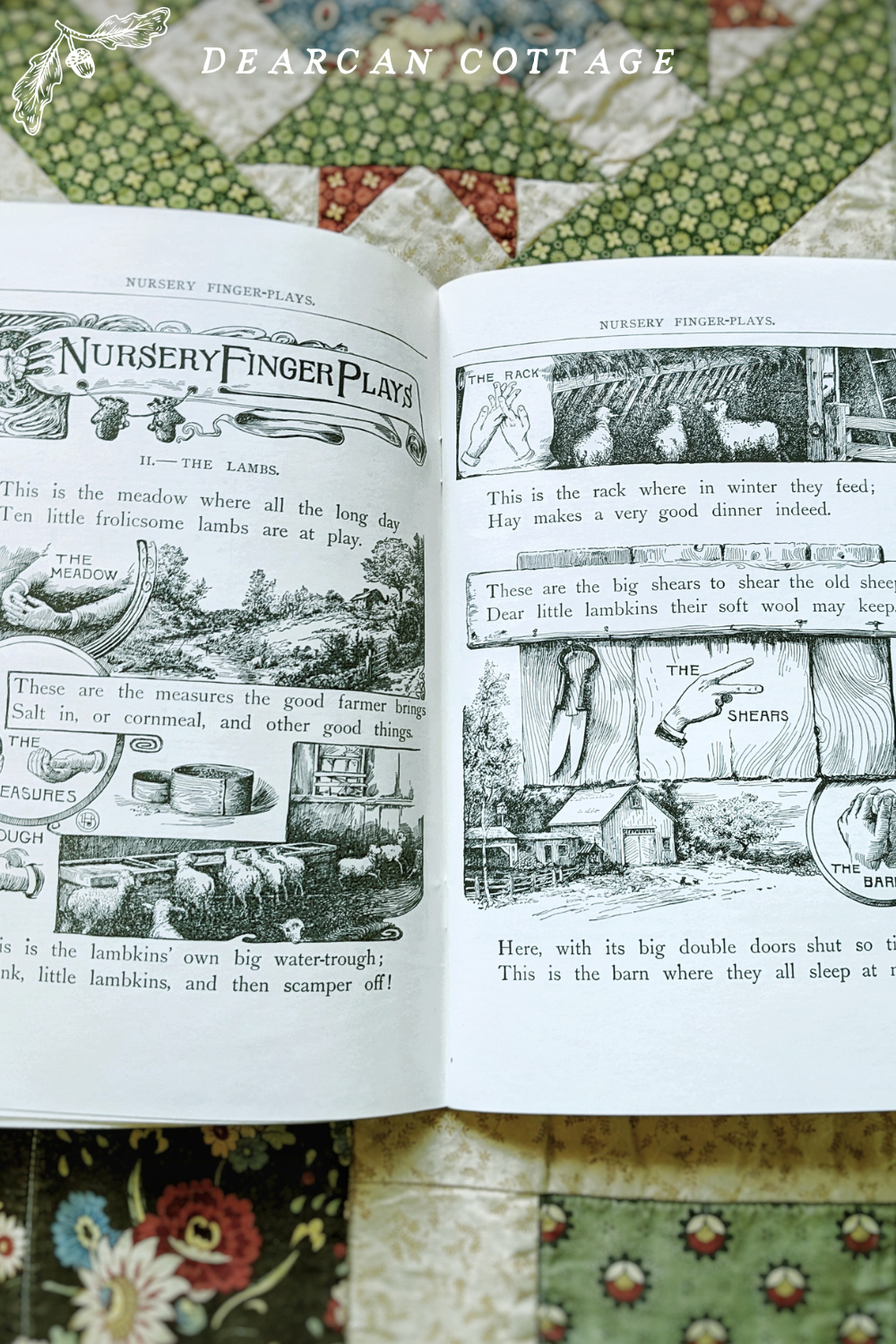
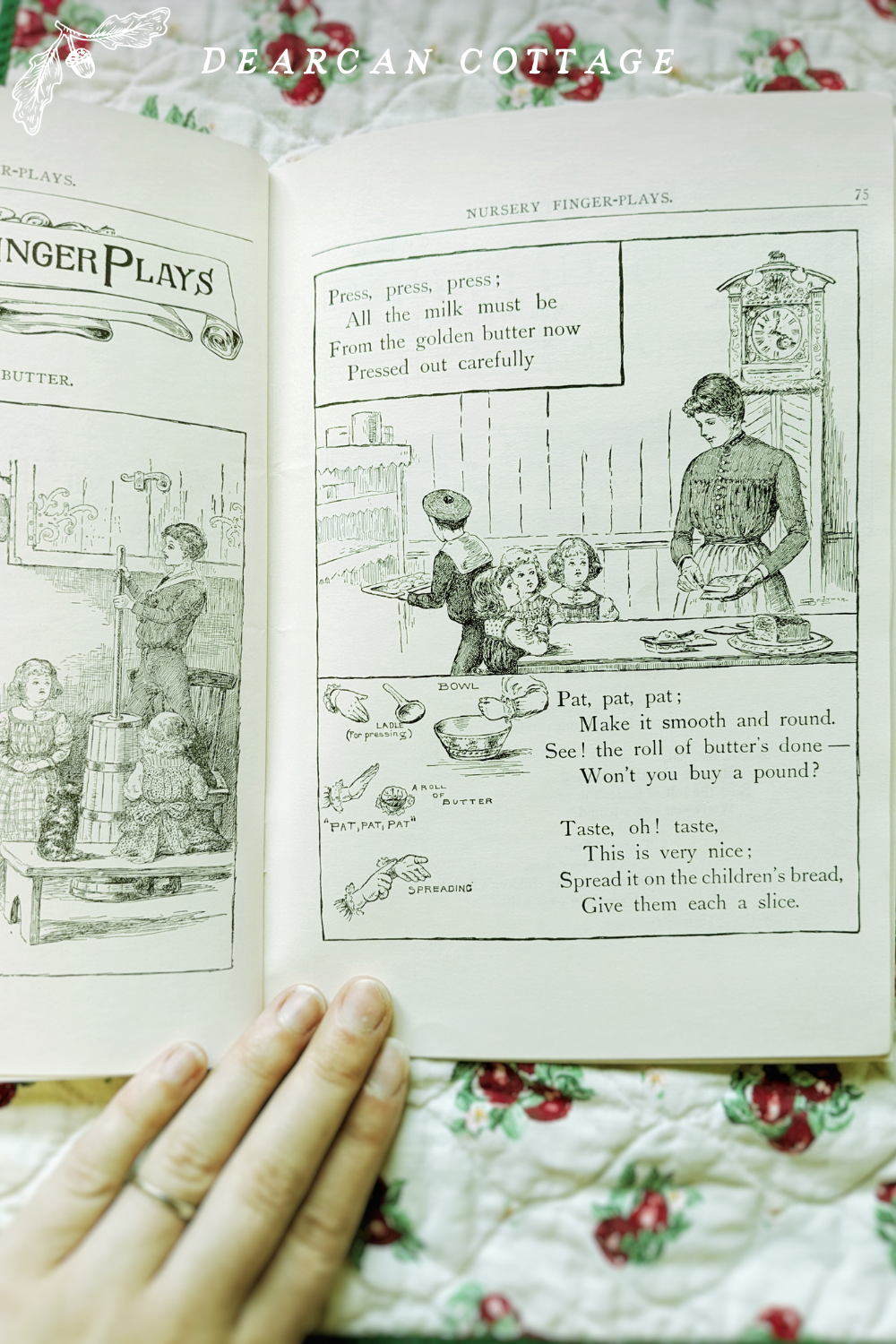
I thrifted this copy for myself at a very nice second hand book store. What drew me to purchasing the song book was not only for the beautiful illustrations, but the content of the songs. I had not seen nursery rhymes like these before and thought it was extra special. You can expect traditional songs of the following:
- The Little Men
- The Lambs
- The Hen and Chickens
- The Little Plant
- The Pigs
- A Little Boy’s Walk
- The Caterpillar
- All for Baby
- The Mice
- The Squirrel
- The Sparrows
- The Counting Lesson
- Mrs. Pussy’s Dinner
- How the Corn Grew
- The Mill
- Making Bread
- Making Butter
- Santa Claus
Why Children Should Sing
Singing is a powerful tool for children. It’s not just about the tunes and lyrics; it’s about what lies beneath the melody. Singing can transform a regular day into an extraordinary adventure, shaping young minds and hearts. Let’s explore three compelling reasons why singing is so crucial for children.
Joy Chases Away Fear
Singing is like laughter in the face of evil. Singing can help stabilize a child and know the next right thing to do. It’s also the fastest way to help a fearful child experience joy, of course in a safe loving environment. Joy is from The Lord, and no matter our circumstances we can have joy, and sing loudly, and confidently about what’s true. Think of implementing singing, along with prayers, with joyful responses and conversation, after nightmares, hearing unsettling sounds, or perhaps after moments of crying. This is why we need singing in our family culture.
Establishes Routines
Songs can be used to mark the times of the day, acting like clocks that children can sing along to. When we equip our children with lots of songs about what’s good, joyful, and important, our kids will not be easily shaken. Songs can act as simple reminders to do then next right thing.
- Predictability and Comfort: A familiar tune signals that it’s time for a snack, a nap, or even cleanup. This predictability helps children feel secure.
- Transitioning: Songs ease the shift from one activity to another, making transitions smooth and less daunting.
Consider some Emily Poulsson’s Finger Play Nursery Rhyme Songs to incorporate into your day, perhaps “Making Bread” while you bake or “The Little Men” while you transition from play to work.
Conclusion
Emily Poulsson’s finger plays offer an enriching way to engage preschoolers, blending fun and education seamlessly. Through playful gestures and catchy rhymes, children develop language skills and fine motor coordination. The simplicity of these activities makes them accessible yet impactful, fostering creativity and imagination in young learners.
These timeless techniques invite teachers and parents to become active participants, enhancing the learning experience. By integrating finger plays into daily routines, you set the stage for an enthusiastic learning atmosphere.
Explore these delightful activities with your preschoolers. Notice how they light up with excitement and curiosity. Consider sharing your favorite finger play moments or creating new ones, adding a personal touch to this enduring tradition.